
Tea Blend for Colds
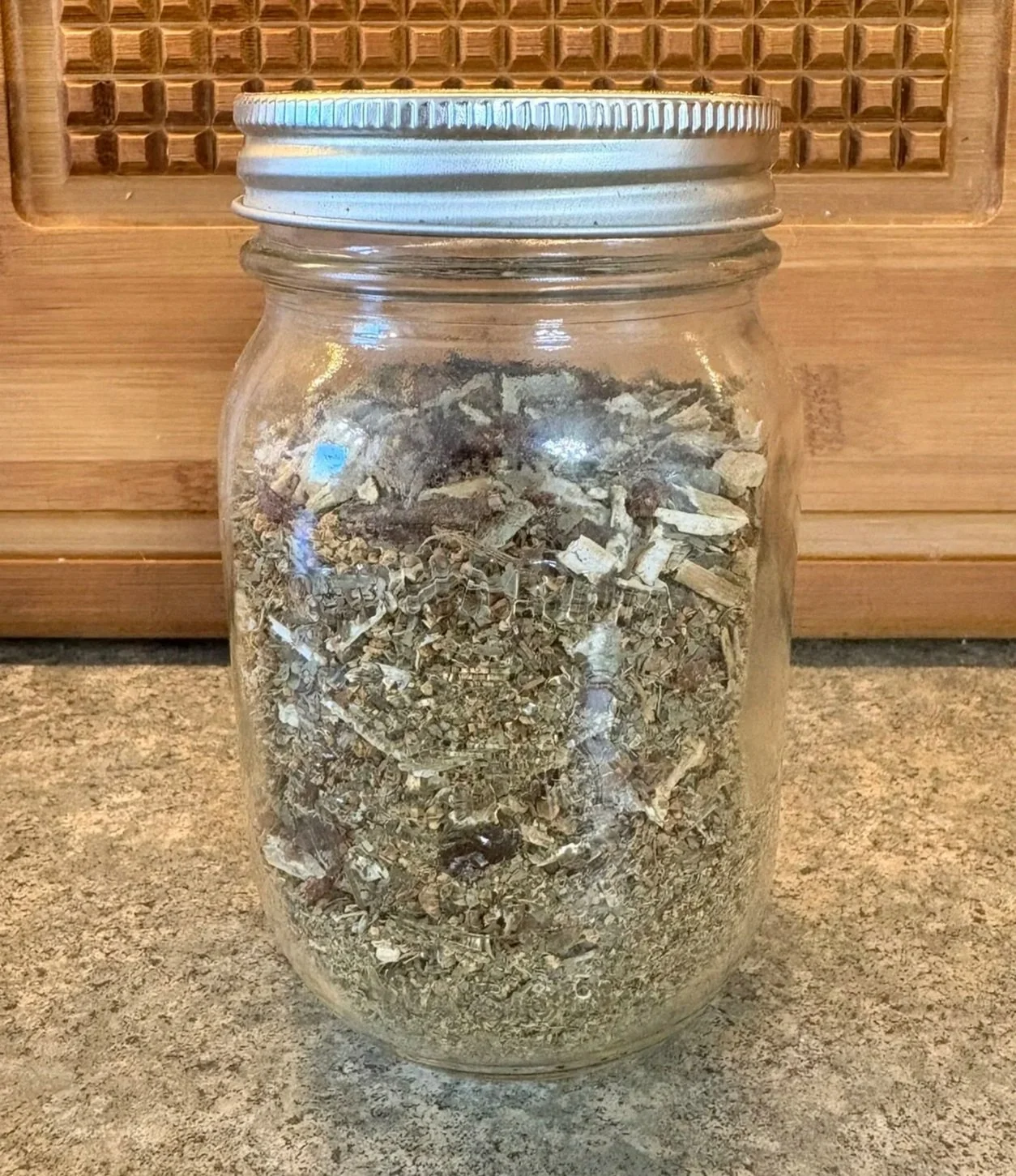
In this post we are going to be making a tea blend focused on supporting the body during a cold
This blend will help with fevers, mucousy coughs, aches & pains!
Cold Care Tea Blend
This post may contain links but they are not affiliate links. I am not in any sort of affiliate program at this time. They are links to things I actually use. All formulations shared on this blog have been formulated for personal use only, not for resale.
I am not a Doctor & none of this is medical advice. It is here for entertainment & educational purposes only & it is up to you to talk to your health care practitioners first. The information shared is not intended as a substitute for professional advice. Always consult a qualified health care provider before making any health decisions
During the past month I have been sharing various cold & flu remedies that can help equip up whenever one of those nasty bugs shows up. I personally am of the mindset that I’d rather have it & not need it than need it & not have it.
The last thing I want to do when I start to feel under the weather is make an herbal preparation, especially one I could have already prepared
This particular tea blend has 9 different herbs that I have covered (or will be covering) in previous posts & corresponding YouTube videos.
So far I’ve gone over:
Licorice Root → Mullein & Elderberry Cough Syrup
Elder → Elderberry Syrup
Cinnamon → Elderberry Syrup
Clove → Elderberry Syrup
Ginger → Elderberry Syrup
Peppermint → Flu Fighter Glycerite (coming soon)
Catnip → Flu Fighter Glycerite (coming soon)
Today we’re going to talk about Oregano & Rose.
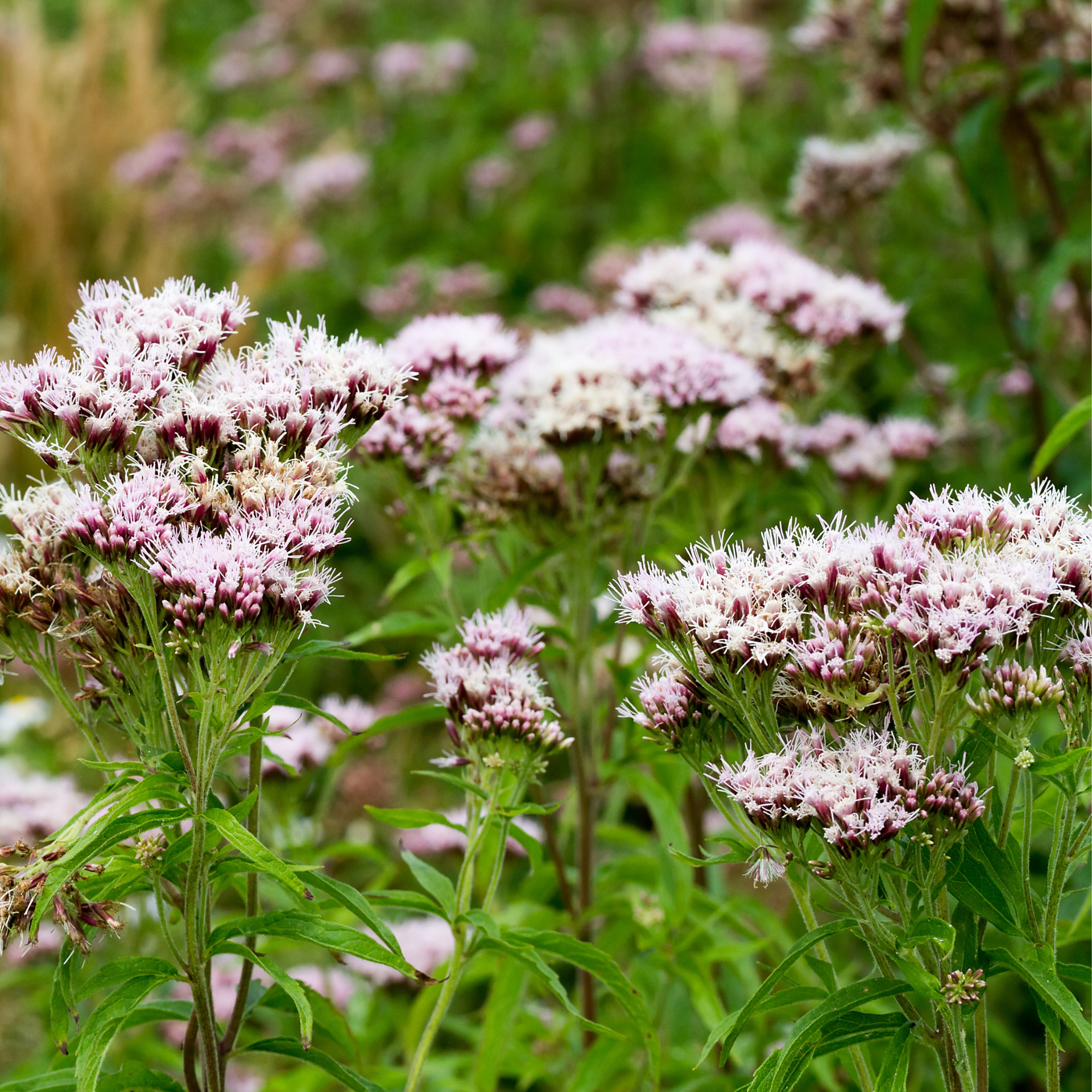
Oregano
Botanical name: Origanum vulgare
Common name: Mountain Mint, Spanish Thyme, Wintersweet, Wild Marjoram, Winter Marjoram
Plant Family: Lamiaceae (mint family of plants)
Native to: Mediterranean
Naturalized to: North America & Venezuela
Botanical Description: Oregano is a woody, herbaceous plant from the mint family. Oregano has round oval leaves with pink, purple or white flowers. It is a perennial in most climates; it can be an annual plant in colder climates. Oregano grow about 2 feet tall & 18 inches wide
Parts used: Leaf & flower
Taste:
Bitter
Pungent
Energetics:
Hot
Drying
Herbal Actions of Concern:
Antibacterial
Antimicrobial
Antioxidant
Antispasmotic/spasmolytic
Depurative
Immunomodulating
Inflammation modulating
Nervine
Indications for Use:
Inflammatory conditions
Bacterial infections
Systems Affected:
Immune System: oregano works as a broad spectrum antibacterial, anti-fungal & anti-inflammatory agent. One of the constituents in oregano, Carvacrol is believed to inhibit biofilm formation by disrupting the cell membrane integrity of bacteria. Thymol, another constituent, works with Carvacrol to inhibit bacterial growth.
Important To Note:
Oregano may interact with diabetic medications & it is best to avoid medicinal doses.
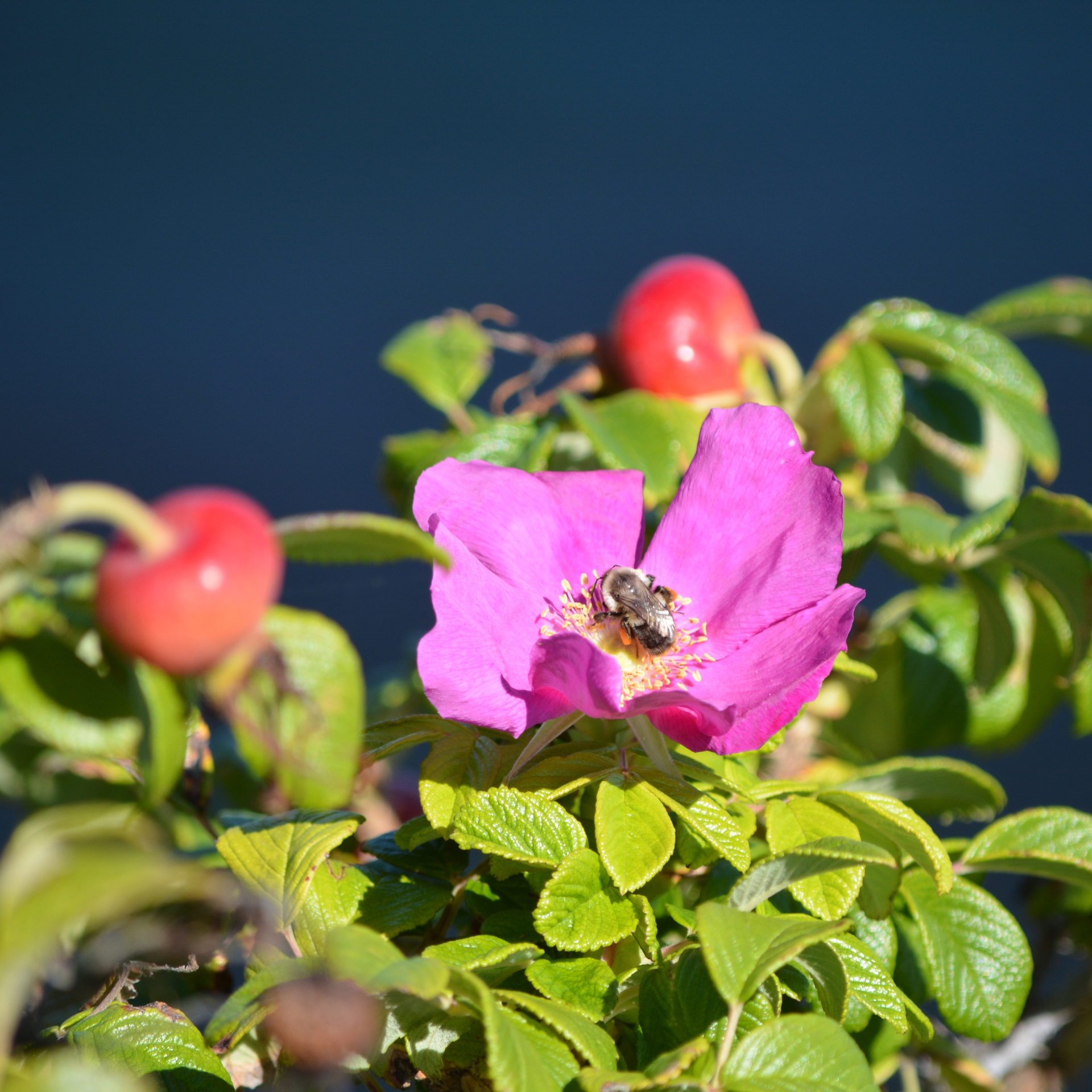
Rose
Botanical name: Rosa spp.
Common name: Wild Rose, Domesticated Rose, Tea Rose, Hybrid Rose
Plant Family: Rosaceae
Native to: Asia, Northwestern Africa, Europe
Naturalized to: North America
Botanical Description: Wild Roses have only 5 petals & an abundance of stamens in the center of each bud. These roses can be white to pink in color. When using wild roses, always find ones that are aromatic which are the only ones that actually bear fruit. The fruit (hips) are the primary source of Vitamin C. Domesticated roses will work but their healing abilities are not as abundant. If using domesticated roses make sure they have not been sprayed with any chemicals. Only use domesticated roses that have a strong aroma, low aroma means little medicinal properties
Parts used: Petals, Buds, Fruit (hips), leaves & the inner bark of the stems
Taste:
Sour
Energetics:
Cooling
Drying
Herbal Actions of Concern:
Analgesic
Astringent
Immunomodulant- specifically the petals & the hips
Inflammation modulating
Trophorestorative
Indications for Use:
Cold, flus & infections
Stress relief & mood enhancing
Systems Affected:
Digestive system: the astringent properties help with fluid accumulation in the digestive tract where there is heat & inflammation. It may also be helpful in cases of ulcers, excess acidity or heartburn. The astringency may also help with diarrhea
Important To Note:
The petals & the hips can be eaten as you would any other food
Medicinal doses of Rose may reduce the absorption of Iron
If you are going to use rose petals instead of the hips do not get your petals from a plant that has been sprayed with pesticides. This is why I never ever suggest going to a florist to get your flowers for medicinal preparations
Both of our herbs do have a warning about using medicinal doses with certain health conditions. A medicinal dose would be what something like 1-2 tsp of herb in a tea or 1-5 ml of a tincture. This means that using oregano as a culinary ingredient where you would only be using 1-2 tsp of herb in the entire recipe is completely safe. If you are unsure do speak to your medical team regarding this inquiry
You could also just omit the herb that might cause you issues. We don’t need to create a new health concern when trying to deal with another.
Cold Care Tea Blend
For this recipe we will be using parts which is just a unit of measurement in herbalism
Here’s the fun thing about parts, you kind of get to determine the amount. This is going to come down ultimately to how much medicine you are wanting to make.
Let’s pretend one part is equal to 1 oz for the sake of ease.
This means 1 part = 1 oz
If the recipe calls for 2 parts, this would mean we would use 2 oz
If the recipe called for ½ part we would use ½ oz.
A part could be 1 tablespoon, 1 cup, 1 ounce, 1 liter, 1 gram, etc. Some herbalists even use handfuls or palmfuls as a measurement.
I personally like to make my parts ½ cup - 1 cup, depending on how much tea blend I’m wanting to make.
Just so things don’t get confusing I am going to give you the amounts I used so you get a feel for how this works. It isn't really that serious if you end up with a little more or a little less of an herb in your blend, look at the measurements as approximations rather than gospel.
In a few weeks I will be going over the right & wrong way to make a cup of medicinal herbal tea as well as talking about how to formulate your own tea blends
If you do not have a piece of the recommended equipment but have something that would work in its place go ahead & use what you have
Recommended Equipment:
Mixing bowl
Measuring cups & spoons
Funnel, optional
Storage jar with tight fitting lid
Ingredients:
1 part (½ cup) Peppermint
1 part (½ cup) Elder Flowers
½ part (¼ cup) Oregano
½ part (¼ cup) Licorice Root
½ part (¼ cup) Catnip
¼ part (⅛ cup) Rose Hips
⅛ part (1 TBSP) Cinnamon
1/16 part (½ TBSP) Ginger
1/16 part (½ TBSP) Clove
Instructions:
Place all herbs into a large mixing bowl
Mix well to combine
Pour into your desired storage jar
Usage & Storage:
1 TBSP of herbs in an infusion, steeped for 20 minutes covered. Drink 3-4 cups per day, 1 every few hours
Store the blend in a glass jar with an air tight lid
Notes & Substitutions:
Drink plenty of water & add electrolytes. Elder flowers increase sweat & urine production which helps remove bacterial viruses from the body
Switch out the rose hips for rose petals if desired
If peppermint is too stimulating you can use spearmint instead
Comment down below & let me know what old wives tales when it comes to cold & flu care do you like to lean on?
Until next time, may you find Peace wherever you are!
Watch the video & tutorial HERE
Image of linked YouTube thumbnail