
Herbal Gomasio Finishing Salt
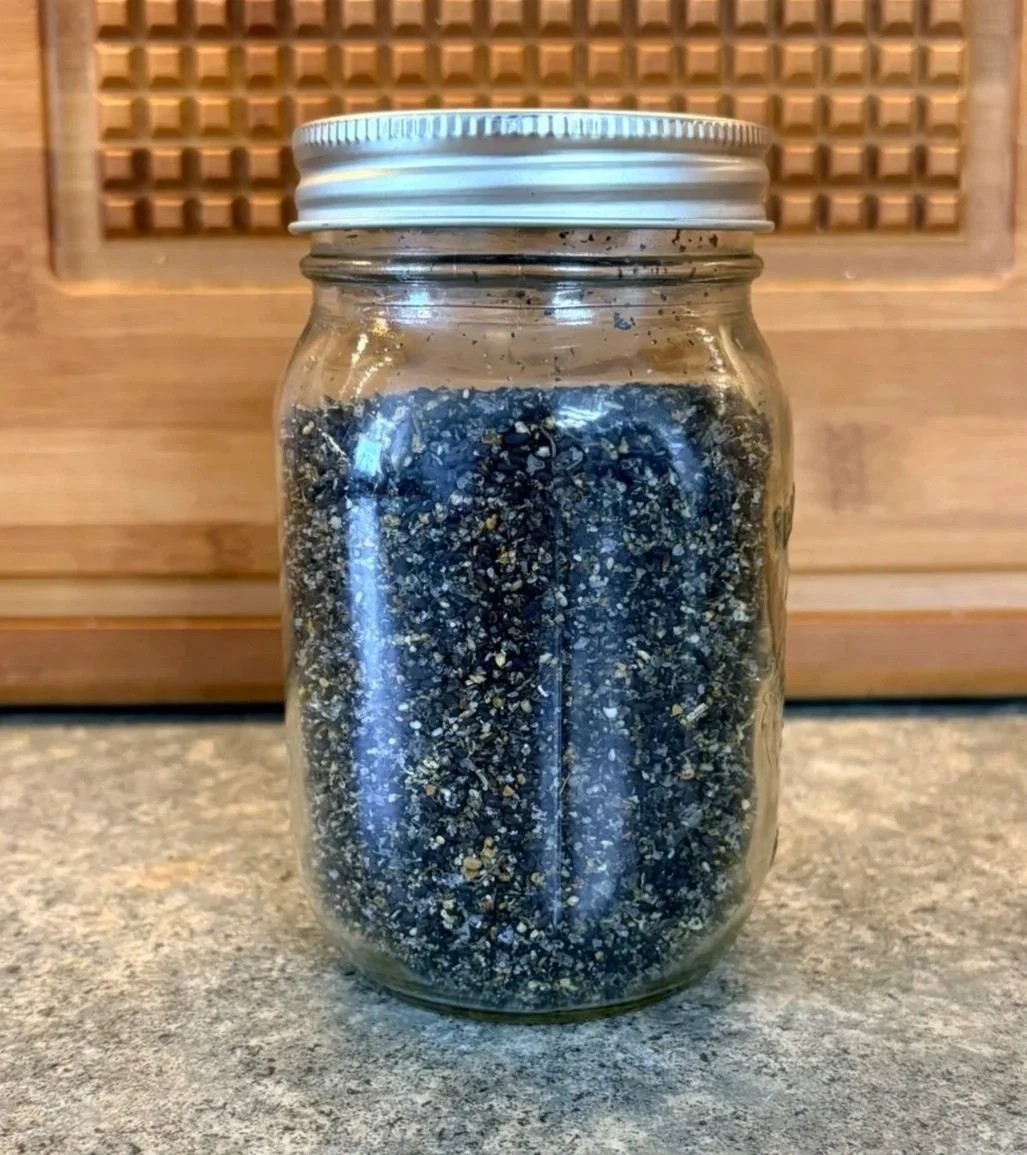
In this post we are going to be making a Japanese finishing salt with an optional herbal twist
Herbal Gomasio Finishing Salt
This post may contain links but they are not affiliate links. I am not in any sort of affiliate program at this time. They are links to things I actually use. All formulations shared on this blog have been formulated for personal use only, not for resale.
I am not a Doctor & none of this is medical advice. It is here for entertainment & educational purposes only & it is up to you to talk to your health care practitioners first. The information shared is not intended as a substitute for professional advice. Always consult a qualified health care provider before making any health decisions
Today we’re going to make an herbal gomasio, which is a Japanese seasoning that is packed full of flavor. To begin I want to say this is by no means a traditional recipe but it is just as delicious
If you wanted to make a gomasio that is more traditional you would use only black un-hulled sesame seeds & coarse sea salt.
Gomasio has been used for centuries in Japanese cuisine but wasn’t popularized in the West until the 1960’s. This seasoning blend was used in Buddhist temples, as a balancing food that was valued for its unique nutty flavor & vast health benefits, which we will talk about in just a second
This recipe today calls for whatever herbs you want to use. In the video tutorial I used a combination of Nettles & lemon peel but there are many herbal combinations that will work.
The health benefits of this blend, apart from that which Sesame has to offer, comes to us in a form of antioxidant called anthocyanins
Antioxidants are what protects us from oxidative stress caused by free radicals which can damage cells, proteins & DNA. Free radicals contribute to the development of disease when they are allowed to get out of hand.
However, through the infinite wisdom of whoever created this universe we are always given a solution to a problem. All we have to do to ensure that free radicals don’t have the opportunity to freely wreak havoc we just need to consume plants that contain antioxidant
The good news is almost all plants contain some type of antioxidant to some degree
By regularly consuming antioxidant rich plants we can help reduce inflammation, boost the immunity while supporting cardiovascular & neurological health
There is a specific type of antioxidant that sesame is packed full of which is called Anthocyanin
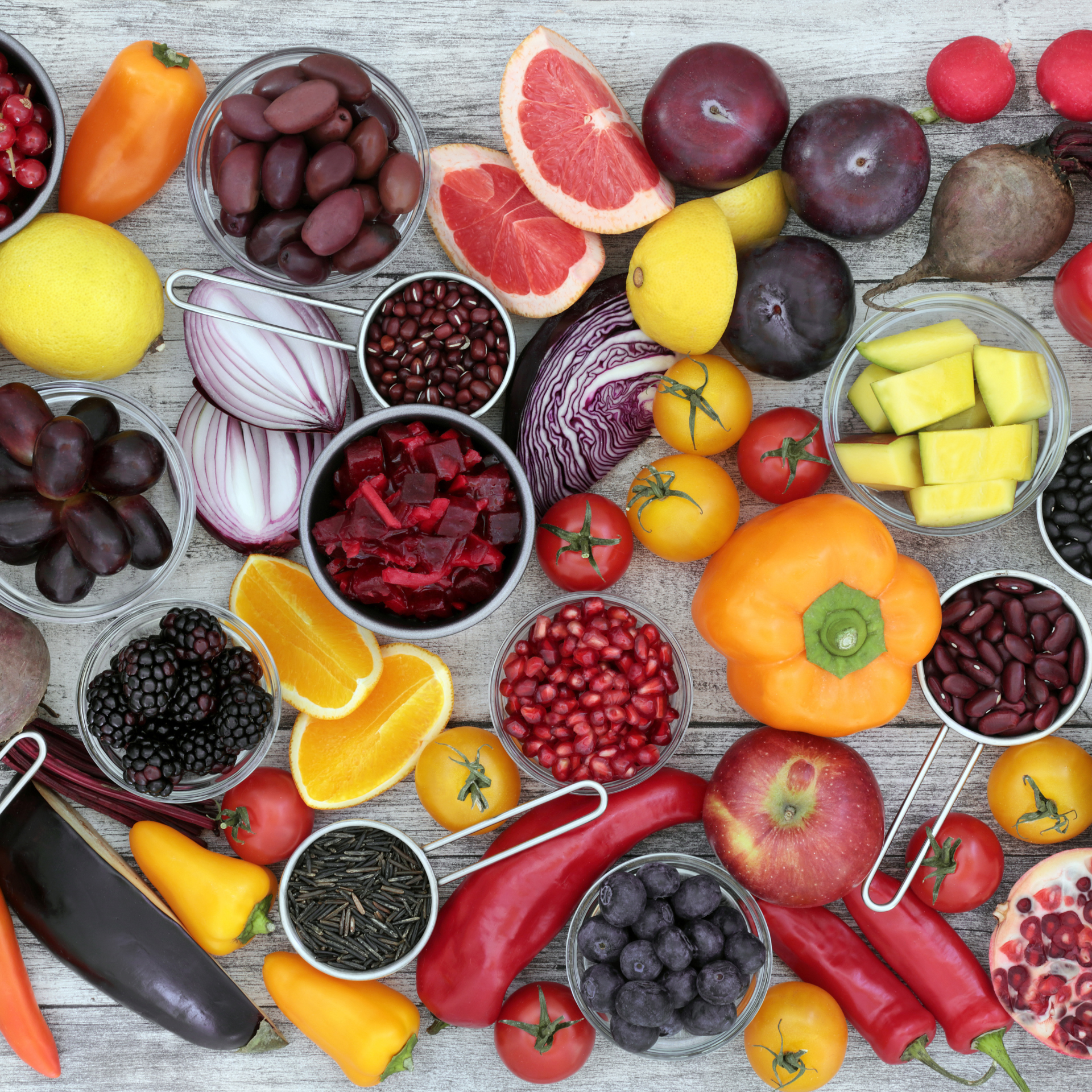
Anthocyanin
Here are some examples of anthocyanin rich foods
What is Anthocyanin?
They are a class of water soluble pigment flavonoids that range from red, purple, blue to black.
The word anthocyanin is derived from the Greek works “ánthos” meaning flower & “kuáneos” meaning dark blue. Cyanin also another English word for dark blue
It is these compounds in the plant that helps them to attract pollinators as well as offer some protection from environmental stressors, which is exactly what they are able to provide us!
Anthocyanin rich food examples:
Fruits: blueberries, black plums, blood oranges, pomegranates, black & red grapes
Vegetables: red cabbage, red onions, red radishes, purple cauliflower, purple corn & the purple skin of eggplant
Legumes & Rice: black beans, black rice, black soybeans
Just think of the vibrancy of all those foods, that’s the anthocyanins.
Always be sure to eat all sorts of fresh or frozen brightly colored foods to get the highest amounts of anthocyanins in your diet
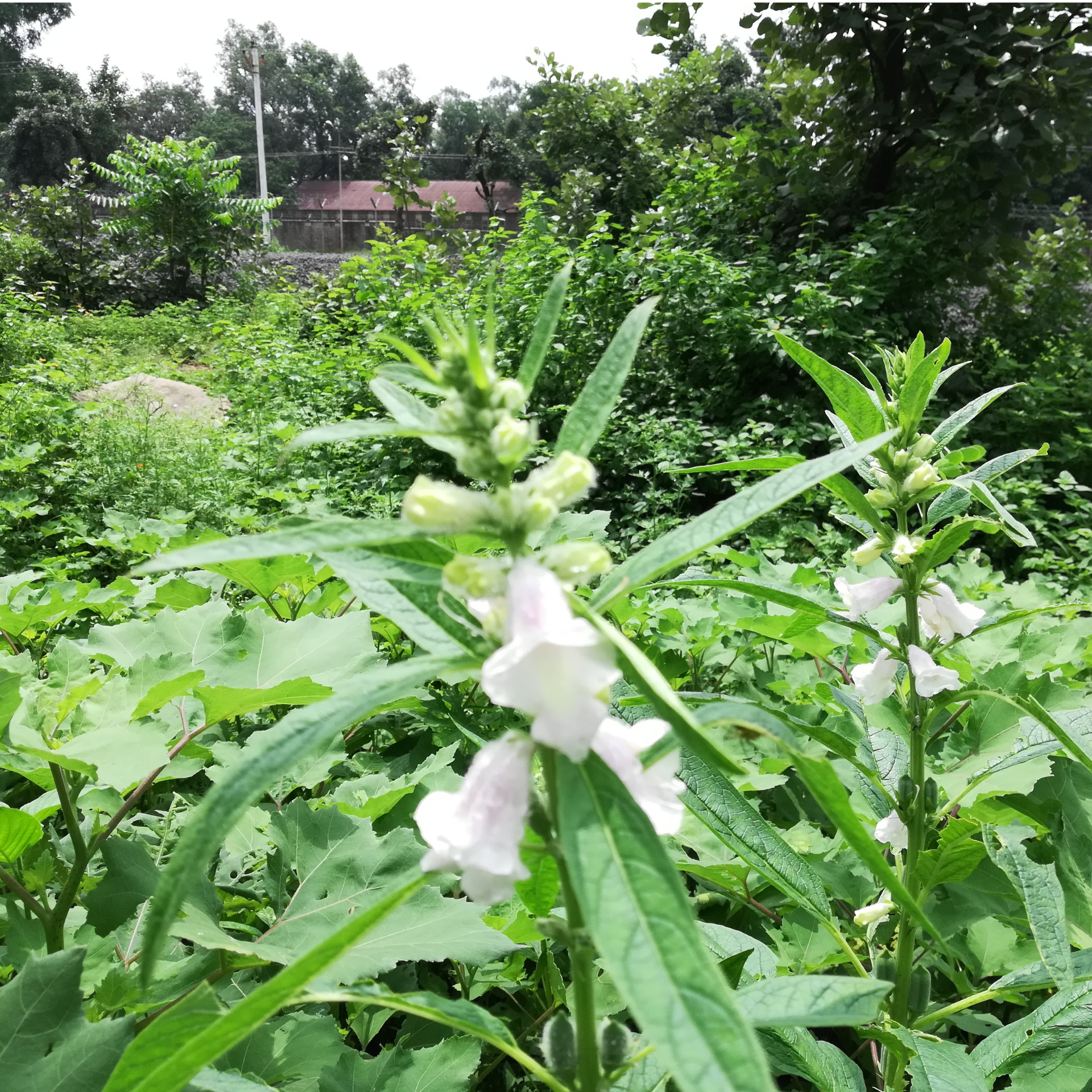
Sesame
Botanical name: Sesamum indicum
Common names: Benne, Tila
Plant Family: Pedaliaceae
Native to: Africa & Indian Subcontinent
Naturalized to: Tropical & subtropical regions
Botanical Description: Sesame is an annual plant that grows between 1 to 3 feet in height. The leaves of sesame grow in opposites & are lanceolate in shape ranging from 2 to 6 inches long. The flowers are tubular ranging from white, to pink to purple in color
Parts used: Seeds (oil), whole plant
Taste:
Sweet
Astringent
Bitter
Energetics:
Warming
Cooling
Moistening
Herbal Actions of Concern:
Carminative
Demulcent
Nervine
Learn more about these actions HERE
Indications for Use:
High blood pressure
Low digestive fire & malabsorption issues
Coughs
Diabetes
Systems Affected:
Digestive system: the oil helps to nurture the digestive fire, promoting better assimilation of nutrients. It does so by clearing the channels of elimination in the body. The seven elimination pathways of the body are the kidneys, liver, lungs, skin, digestive tract, lymphatic system & the gallbladder
Nervous system: helping to calm the nervous system, reducing anxiety & mental agitation while supporting sleep & relaxation. It helps to enhance focus & cognition while strengthening the nervous system by moisturizing the tissues
Circulatory system: helping to support cardiovascular health as it is rich in omega 3 & omega 6 fatty acids which may help lower cholesterol, support arterial flexibility & reduce the risk of heart disease. The minerals in sesame seeds help to fortify the heart & entire circulatory system. Their high oil content helps to lubricate the tissues while decreasing inflammation
Respiratory system: helping to lubricate the nasal passages & clearing mucus
Important To Note:
May interact with certain medications that are metabolized by the liver potentially changing the effectiveness of the medication. Specifically medications for diabetes & high blood pressure
Sesame oil can increase heat
Helps to improve strength & imparting oiliness to the body
Sesame seed is highly revered in Ayurveda as both a food & a medicine
Herbal Gomasio Finishing Salt
If you do not have a piece of the recommended equipment but have something that would work in its place go ahead & use what you have
Recommended Equipment:
Food processor or blends
Large skillet
Stove or hotplate
Large plate
Spatula
Measuring cups
Ingredients:
¾ cup Black sesame seeds
¼ cup salt
¼ cup dried herbs
Instructions:
Heat a dry skillet over medium heat
Once warm add the sesame seeds & toast making sure you are stirring them frequently for a few minutes
Remove from the heat & place the seeds on a plate to cool off
Combine seeds with salt, & herbs in a food processor & blend
Place in desired storage container
Usage:
Sprinkle on rice, salads, soups & vegetables
Shelf Life & Storage:
Shelf life up to 1 year when stored in the refrigerator
Notes & Substitutions:
You can switch out the black sesame seeds for white unhulled ones. The white unhulled sesame seeds will not have the same anthocyanin content as the black ones, but they will make a delicious seasoning
You could omit the nettles & make a more traditional seasoning
Switch out the nettles for another herb of your choice such as rosemary, thyme or oregano
Use dried seaweed to make it more of a umami flavor
Add chili flakes for a kick
Coarse grain salt is recommended but fine grain will also work
Comment down below & let me know what herbs are you going to be putting in yours?
Until next time, may you find Peace wherever you are!
Watch the video & tutorial HERE
Image of linked YouTube thumbnail