
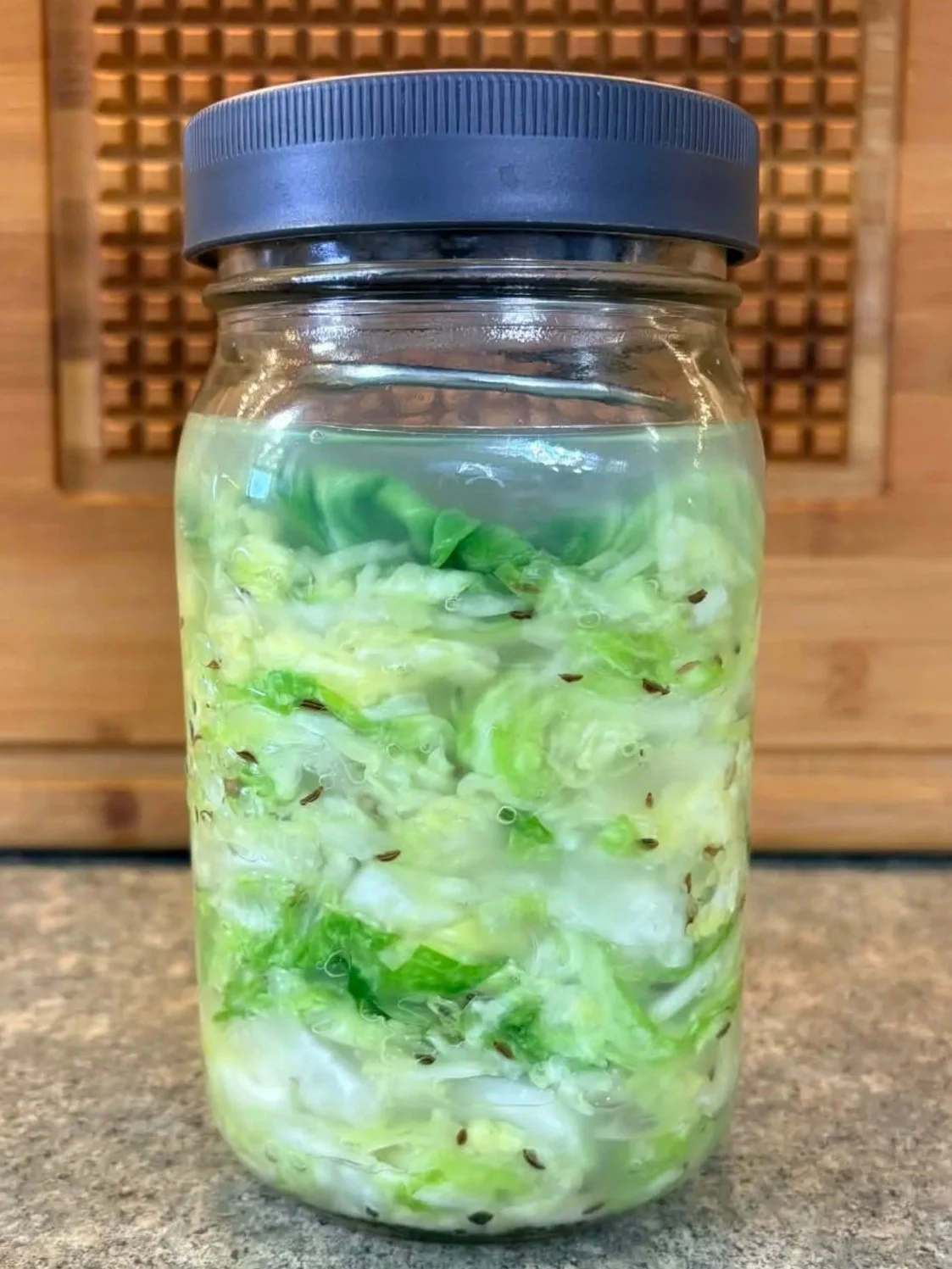
This post is the first in a series called Fearless Fermentation where I will be addressing some common topics, questions & concerns regarding fermentation !
Fearless Fermentation: All About Salt
This post may contain links but they are not affiliate links. I am not in any sort of affiliate program at this time. They are links to things I actually use. All formulations shared on this blog have been formulated for personal use only, not for resale.
Fermentation is something I found to be very intimidating when I first came across the concept. What do you mean I’m going to use bacteria to preserve the contents of a jar!?!
The goal of this Fearless Fermentation series will hopefully take some of the intimidation & uncertainty away, equipping you with the tools & knowledge of this ancient method of food preservation.
Do you realize how long humanity has been using some form of fermentation for this whole time?
There have been findings that date all the way back to 10,000 BCE when milk from camels, goats, sheep & cattle were naturally fermented.
Archeological evidence of fermented beverages made from honey, fruit & rice dates back to 7,000 BCE in Neolithic China
Wine-making in Georgia, the Caucasus region of Eurasia dates back to 6,000 BCE
Sumerians were brewing beer as early as 4000 BCE
Ancient Egyptians were using sourdough around 3000 BCE
I’m not saying that the techniques we use today are the same that were used 10,000BCE are going to be the exact same, but as you can see humans have been tapping into the power of fermentation for about as long as we’ve been in existence.
Let’s learn about the innate intelligence of the natural world because at its foundation fermentation is a symbiotic grouping of wild yeasts, beneficial bacteria & molds that are able to influence overall taste, texture & flavor as they work to preserve our food.
The first mindset that may need to be shifted as you embark on this fermentation journey is yeasts, bacteria & molds aren’t always the bad guys.
Wild yeasts thrive on the natural sugars found in foods. They consume them producing carbon dioxide & alcohol. We can thank yeasts for the rise of a loaf of bread, the fizz in champagne, & the complexity of wine.
Beneficial bacteria such as Lactic acid bacteria, lactobacilli species, thrive in low oxygen, salty environments whereas many of the harmful or pathogenic bacteria simply can not survive. Lactic acid bacteria acts as a natural preservative lowering the pH of the environment until only the beneficial bacteria remain active. This helps the fermentation to develop its signature tang which comes with acidification.
Certain types of molds are essential for certain fermentation processes, such as the koji mold that is necessary when making miso, soy sauce or sake out of soybeans. Certain penicillium strains of mold help to form soft rinds on brie cheese or the blue veins in Roquefort. These molds break down proteins, fats & carbohydrates into smaller but more flavorful molecules
We are not going to be working with any strains or types of mold in this series but I just wanted to share that they do have a special place in the fermentation world. We need to understand these organisms & learn what each brings. We need to expand our minds beyond the concept of good & bad, not all bacteria are pathogenic, not all molds are deadly, but they do need to be treated with respect.
Let’s begin by talking about one of the 3 components required for successful fermentation: Salt, Sugar & Oxygen.
Salt, the Gatekeeper
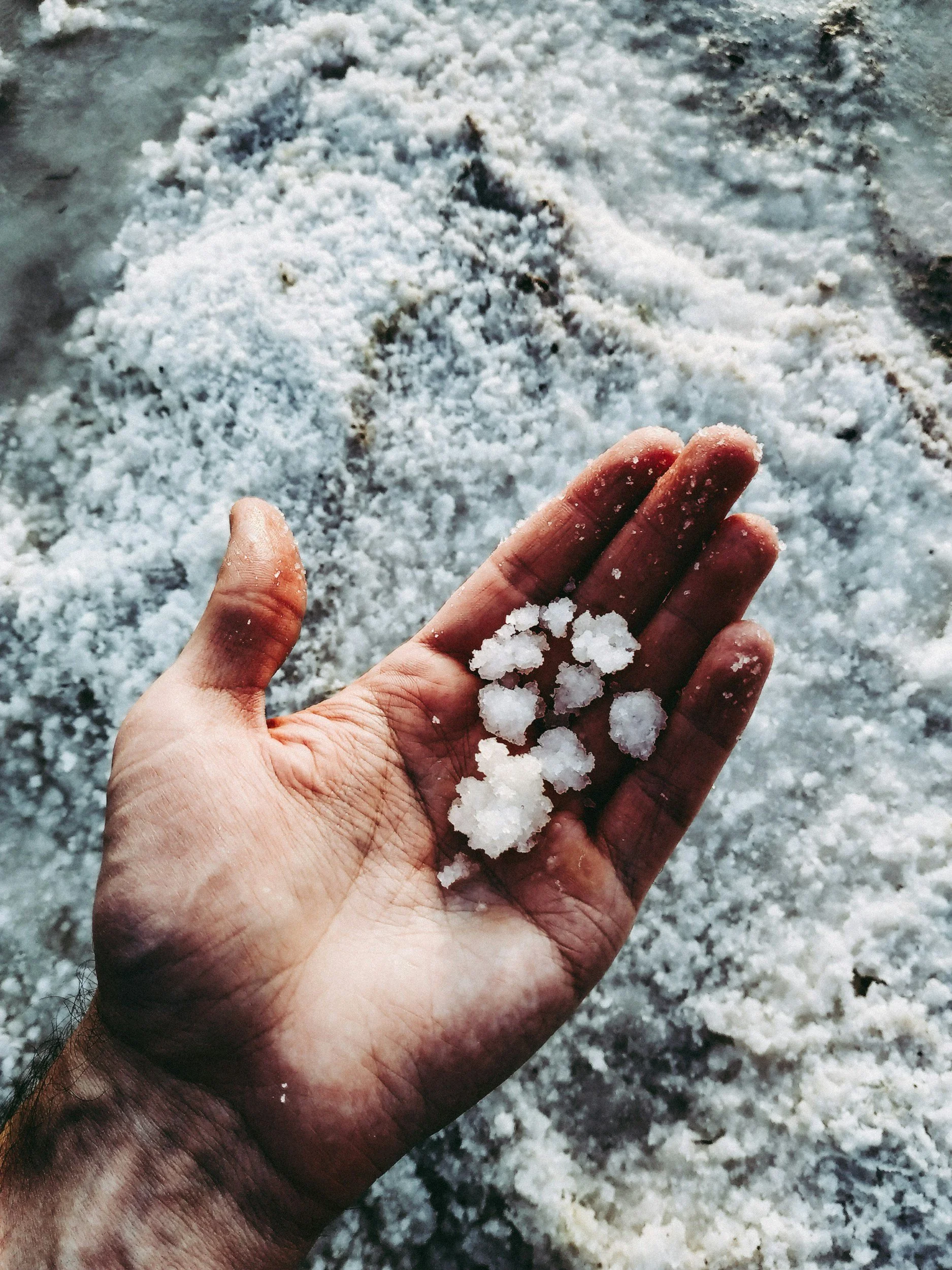
Image of hand holding salt
Salt determines which microbes are allowed to be present by creating an environment that beneficial bacteria can thrive in while suppressing harmful or pathogenic bacteria.
Salt draws out the natural water content of the plant tissues creating a brine which has the ability to influence something called osmotic pressure.
Osmotic pressure is the force that drives water movement across the cell membrane.
Lactic acid bacteria tolerate salt well whereas many pathogenic bacteria do not. It’s almost as if mother nature knew what she was doing.
The amount of salt in your fermentation directly corresponds to the overall flavor & texture of the ferment.
A higher salt concentration slows fermentation but enhances crispness & stability. Too much salt can slow microbial activity
A lower salt concentration speeds up fermentation but invites more variability. Too little salt can create an unstable environment
Balance is key in each & every ferment you are going to create
Salt influences overall texture by strengthening the pectin content of the plant. Pectin is what gives fruits & vegetables their crispness.
Too much salt can produce overly tough or too salty ferments.
Too little salt can produce vegetables that are too soft, becoming mushy or slimy.
Balanced salt levels develop a depth of flavor that evolves over time.
Fearless Fermentation: All About Salt
Salt brine
Salt draws the moisture out of the vegetable or fruit through the process of osmosis which creates a natural brine that becomes the backbone of your fermentation.
Salt brine excludes oxygen, suppresses pathogenic bacteria while providing the ideal environment for lactic acid bacteria to thrive so they can convert the present sugars into lactic acid.
For the majority of vegetable ferments, a good place to be is between 2-3% salt by weight not volume. There is another method called the folk method which I will talk about in a moment
2% salt brine
Mild
Produces quicker fermentation
Softer acidity
Contains more microbial activity
Helps to encourage a balanced tangy flavor while maintaining crunch
3% salt brine
Intensifies the salty flavor
Produces slower fermentation
Best concentration for soft vegetables or warmer climates where the microbes work faster
Salt brines below 2% might not enough to stop the food from spoiling
Salt brine of 2.2% works for everything from sauerkraut to pickles
Salt brines over 5% run the risk of fermentation stopping
If you were wanting to avoid salt all together you could just use a starter culture instead of salt.
I found a really handy brine calculator on the website Myfermentedfoods.com that takes the math right out of the equation. Really handy for those of us with dyscalculia or who are just bad at math
All you need to do is select the percentage of brine you wish to use
Select the preferred water measurement
Enter the amount of brine you want to make
Select the preferred salt unit of measurement
Voila it tells you the salt required
Brines can be flavored intentionally & can be used to enhance the overall flavor
Fresh herbs → flavors peak early on in fermentation & mellow out over time. Use fresh herbs with short fermentations
Dried herbs → infuse the flavors slowly & hold stable aromas throughout the process because they release oils gradually. Use dried herbs with long fermentations
You can also use things like seeds, barks & roots to flavor your ferments
If the vegetable you are wanting to ferment has a high natural water content all you’ll need to do is sprinkle the salt over the prepared vegetables, allowing the salt to draw this moisture out
If the vegetable has a low natural water content you will need to mix up the salt brine in a separate jar. I suggest keeping a jar of premade brine close by the ferment as you may need to add more liquid in if the brine levels decrease at all, which is something that can happen dependent upon which type of vegetables you are fermenting
Folk Method
For when we don’t want to make things overly complicated. I do suggest wrapping your head around making proper salt brines that work with weight as they will produce more consistent results.
However, many of our ancestors that used fermentation thousands of years ago did not have the same fancy kitchen scales we had, I’m confident they had some type of scale mechanism to work with but who knows what it looked like or how easily accessible it always was.
To follow this method use 1.5-2 tsp salt per pint adding the salt to the jar with the prepared vegetables & add the water over top.
If it’s an overly moist vegetable I would add the higher amount of salt so that the salt content doesn't get watered down as the salt draws out the water.
It is a good idea to keep notes if you are planning on following the folk method so you know what worked as you expected it would & what didn’t turn out.
Types of Salt
For best results you want to use salt without any additives & preferably unrefined.
Types of salt could include: Sea Salt, Redmond Real Salt, Pink Himalayan salt, pickling salt, kosher salt.
Table salt can work, but it often contains iodine & anti-caking agents which may interfere with the fermentation process. With that being said people have successfully used table salt in their fermentations with no issues. My suggestion is just try it out & see what happens
Coarse salt are best when making brined pickles or sauerkraut
Fine salt is best for fermented drinks or sauces
When using sea salt make sure your sea salt is not a finishing salt. These salts are typically hand-harvested & contain moisture or other impurities that may disrupt the fermentation process
Until next time, may you find Peace wherever you are!
Sources:
https://livetoplant.com/the-role-of-salt-in-successful-vegetable-fermentation/
https://justplaincooking.ca/using-salt-in-fermentation-and-doing-it-right/
https://cultured.guru/blog/the-complete-guide-to-safely-using-salt-in-vegetable-fermentation
https://cultured.guru/blog/the-perfect-lacto-fermentation-salt-ratio-for-fermenting-vegetables
https://www.lhf.org/2014/03/beyond-sauerkraut-a-brief-history-of-fermented-foods/