
Fire Cider from Common Kitchen Herbs
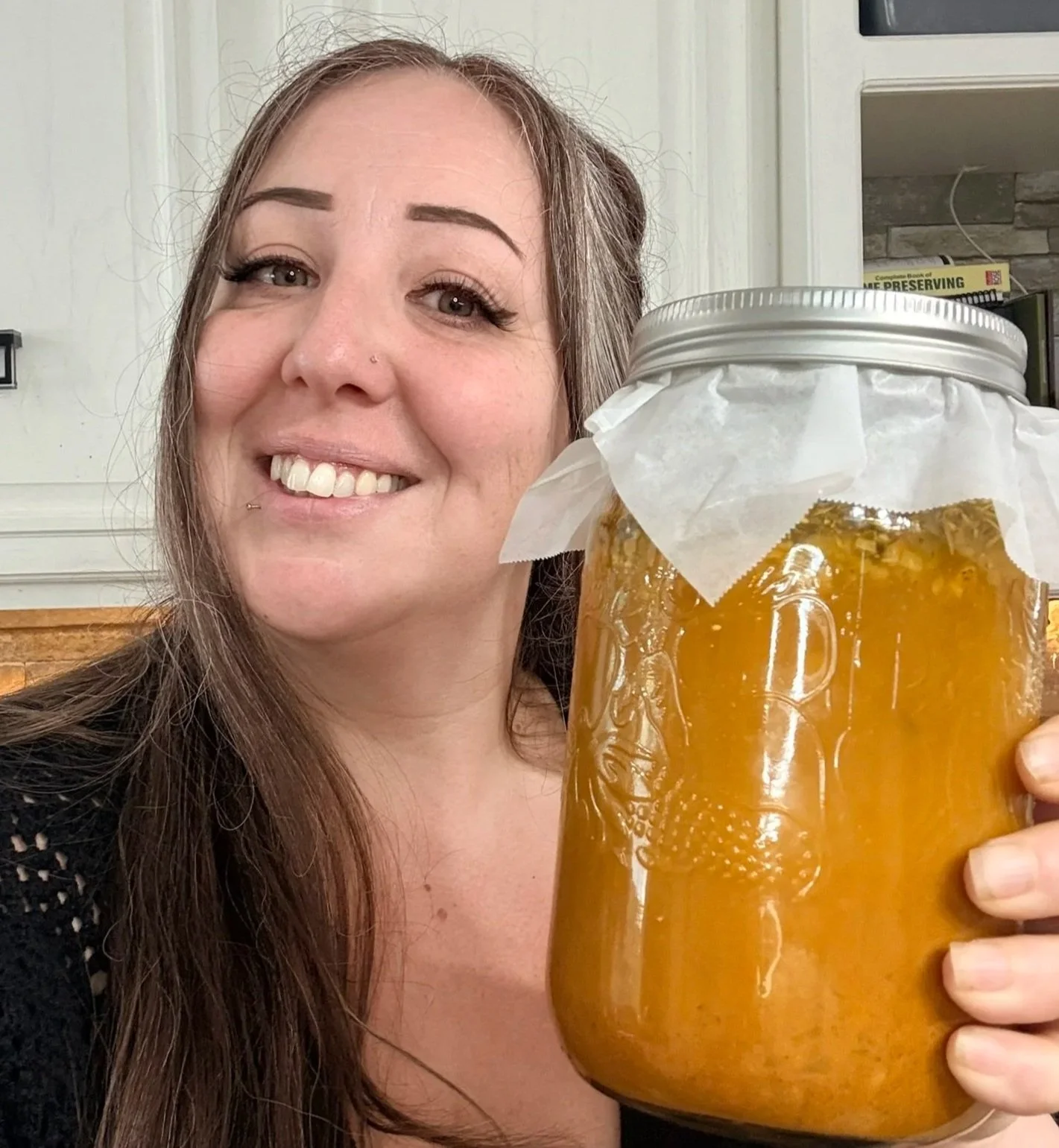
In this post we will be making a fire cider out of common kitchen herbs & spices that you may already have in your cupboard
This recipe is nightshade free & fits into the Autoimmune Paleo (AIP) Protocol under the elimination phase
Fire Cider from Common Kitchen Herbs
This post may contain links but they are not affiliate links. I am not in any sort of affiliate program at this time. They are links to things I actually use. All formulations shared on this blog have been formulated for personal use only, not for resale.
I am not a Doctor & none of this is medical advice. It is here for entertainment & educational purposes only & it is up to you to talk to your health care practitioners first. The information shared is not intended as a substitute for professional advice. Always consult a qualified health care provider before making any health decisions
Today we’re going to make fire cider. Before we get to our recipe let’s talk about fire cider & fire water, who should avoid fire cider, common herbal allies & foods that can be found in fire cider in case you want to alter this recipe then we will whip up a batch that will be done as early as 2 weeks from now
What is Fire Cider & Fire Water?
They are traditional herbal tonics made by infusing raw apple cider vinegar with warming & hot herbs such as garlic, ginger, horseradish, onion & chili peppers.
The ingredients are placed in a jar & it is left to macerate for several weeks before it is strained out
The difference between fire cider & fire water is the addition of honey. Fire cider is sweetened with raw honey whereas fire water has no honey. The honey is used to balance the acidity
This nourishing beverage has been used for 1000’s of years in many parts of the world as an herbal tonic as many of our ingredients contain antimicrobial & antioxidant properties
It wasn’t until the 1980’s when the actual term fire cider was first used by herbalist Rosemary Gladstar. There’s even some controversy regarding the name fire cider & a bit of a trademark dispute by an greedy herbal company who decided they had rights to the name fire cider as if they had created the health elixir that ended in a court case
So while this beverage is far from new, it wasn’t until 2019 that a court ruled “fire cider” to be a generic name & herbalists across the world could use the name freely. However with all the controversy with the name the recipes do tend to contain similar ingredients
There is no right or wrong recipe to follow when making fire ciders or fire waters but there are some common ingredients that can be found across the plethora of secret family recipes out there
Typical ingredients found in Fire Cider & Fire Water
As you will see many of these are common ingredients that can be found in many kitchens. I suggest finding what is local to you when sourcing ingredients whenever possible. There is something to be said about the innate wisdom of the natural world when we grow in the same environments
Without getting off topic there is something to be said about the healing qualities of herbal allies that have learned to survive the same environmental factors as we have. Sometimes an herbal ally grown in the wild can help us on many different levels passing on different types of medicine than one cultivated in a garden. Neither is better than the other, but they do have different things to offer.
However, I’m not saying that you need to go out on some far off adventure gathering rare ingredients, use what you can & what you easily find available. Not one ingredient will make or break any recipe, just grab a few ingredients from each section & create your own custom secret family recipe
Roots: horseradish, ginger, turmeric
Citrus: orange, lemon, lime
Vegetables: onion, garlic, jalapenos, chili peppers
Herbs: thyme, mint, sage, rosemary, parsley
Seasonings & Spices: peppercorns, cayenne, cinnamon, clove, star anise, allspice berries, elderberries, rose hips, juniper berries
Many of the ingredients found in fire ciders contain antimicrobial, antioxidant & antiviral effects just to name a few
Drinking fire cider may help support immunity, boost digestion & warm you up from the inside out, which may be helpful during the cold harsh months of cold & flu season, or as a pick me up at the very least. It also may be helpful in supporting the body when taking antibiotics, but so talk to your health care team first
Who Should Avoid Fire Cider?
We do know not every thing is for every body so people who should avoid fire cider
Anyone with ulcers & acid reflux
Anyone with a sensitivity to vinegar
Anyone on medications that affect blood sugar levels, blood thinners, or for digestive issues
Fire Cider from Common Kitchen Herbs
Our recipe today originally came from Rosemary Gladstar’s blog found at Mountain Rose Herbs
Since this recipe uses dried & powdered herbs the infusion time is much faster than if you were using fresh herbs
This batch will be done as soon as 2 weeks letting it go all the way to 4 weeks whereas fresh herbs are a slower infusion typically taking 4-6 weeks
Equipment:
Quart sized jar
Parchment or wax paper
Wooden spoon
Fine mesh strainer
Cheesecloth or butter muslin
Unbleached coffee filter
Ingredients:
¼ cup Horseradish Powder
¼ cup Ginger Powder
¼ cup Dried Minced Onion
2 TBSP Rosemary
1 TBSP Turmeric Powder
½ TBSP Thyme
3 tsp Garlic Powder
2 tsp Astragalus Root Powder or a few slices
2 tsp Peppercorns
1 tsp Orange peel
4 Star Anise Pods, whole
4 cups Raw Apple Cider Vinegar
Honey, to taste, see notes
4 Whole Dried Chilies, optional
Instructions:
Place all the herbs & spices into a quart sized jar
Pour the apple cider vinegar over top, being sure everything is fully submerged
Give the mixture a good stir to ensure all piece of dried herbs are exposed to the ACV
If you are using a metal lid, place a piece of parchment or wax paper under the lid, then secure the lid tightly
Shake well & shake daily until the infusion
Store in a cool, dry, dark place for 2-4 weeks. It should be ready in 2 weeks. Wait the entire 4 weeks for more kick
Strain through a fine mesh strainer lined with some cheesecloth or butter muslin. Strain a second time through an unbleached coffee filter if desired to ensure all pieces of herbs are strained out
Place in your preferred storage container
Dosage:
Each quart sized jar will provide approximately 60 1 TBSP servings
Herbal medicine: 1 TBSP every 30 minutes to 2 hours to help prevent secondary infections during an illness
Health tonic: 1-2 TBSP in the morning taken straight or mixed with warm water as a tea
Optional uses: as a seasoning for salad dressing, over roasted vegetables or as a pick me up during the day
Shelf Life & Storage:
Up to 1 year when stored in the refrigerator. Discard at the first sign of spoilage
Notes & Substitutions:
If you are adding honey, start with ¼ cup & adjust as needed. The purpose of the honey is to cut down the acid, not to cover the flavor of the fire cider
Your apple cider vinegar needs to be raw & with the Mother as this vinegar contains live cultures & beneficial bacteria which will enhance the properties of the other ingredients
Comment down below & let me know what are some ingredients you want to include in your fire cider or fire water?
Until next time, may you find Peace wherever you are!
Watch the video & tutorial HERE

Image of linked YouTube thumbnail